
I promised everyone an explanation on why I picked each city. These past couple of weeks, I went back and forth about whether I would skip talking about Munich or go for it anyway. Finally, I have decided to share my honest thoughts; the keyword here is opinion; after I complete all the cities I will be visiting in Germany, I will share my thoughts. Then, I will let you all know if my perception of Germany has changed; or not.
However, Munich was not what I expected, not in a bad or good way; it was just different. I spent a week in Munich, but you only need about three to four days in Munich. Note: everything is closed on Sundays, and most places are cash only.

Day 1: Neuschwanstein, Germany
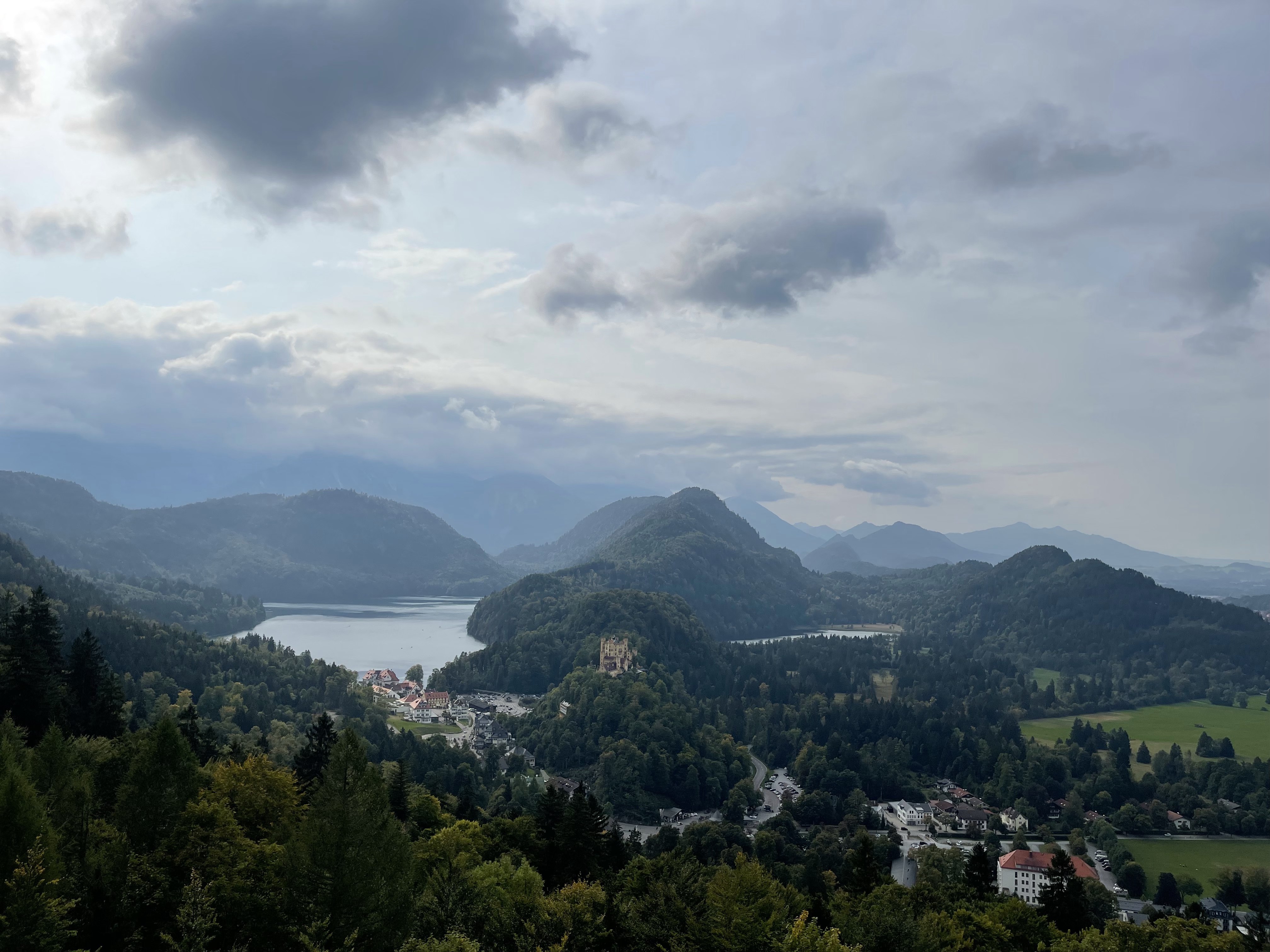
One of the things I wanted to do in Munich was to see Neuschwanstein Castle, which is located in the city of Neuschwanstein. So I decided to take the train. Although it was a two-hour ride each way, once you arrive, there will be a city bus to take you to the castle, straightforward and a way cheaper option than booking a tour.
The castle was used as the inspiration for the Disneyland castle and very picture-perfect for that traditional castle we remember growing up in fairytales. However, the inside of the castle is very Bavarian feel not impressive like a French palace, for example. I would recommend going if you have always wanted to go, but if you have never seen a picture of the castle, I would probably skip it. The history of who lived in the castle is fascinating. I won’t spoil the story!

Day 2: On my own, Munich
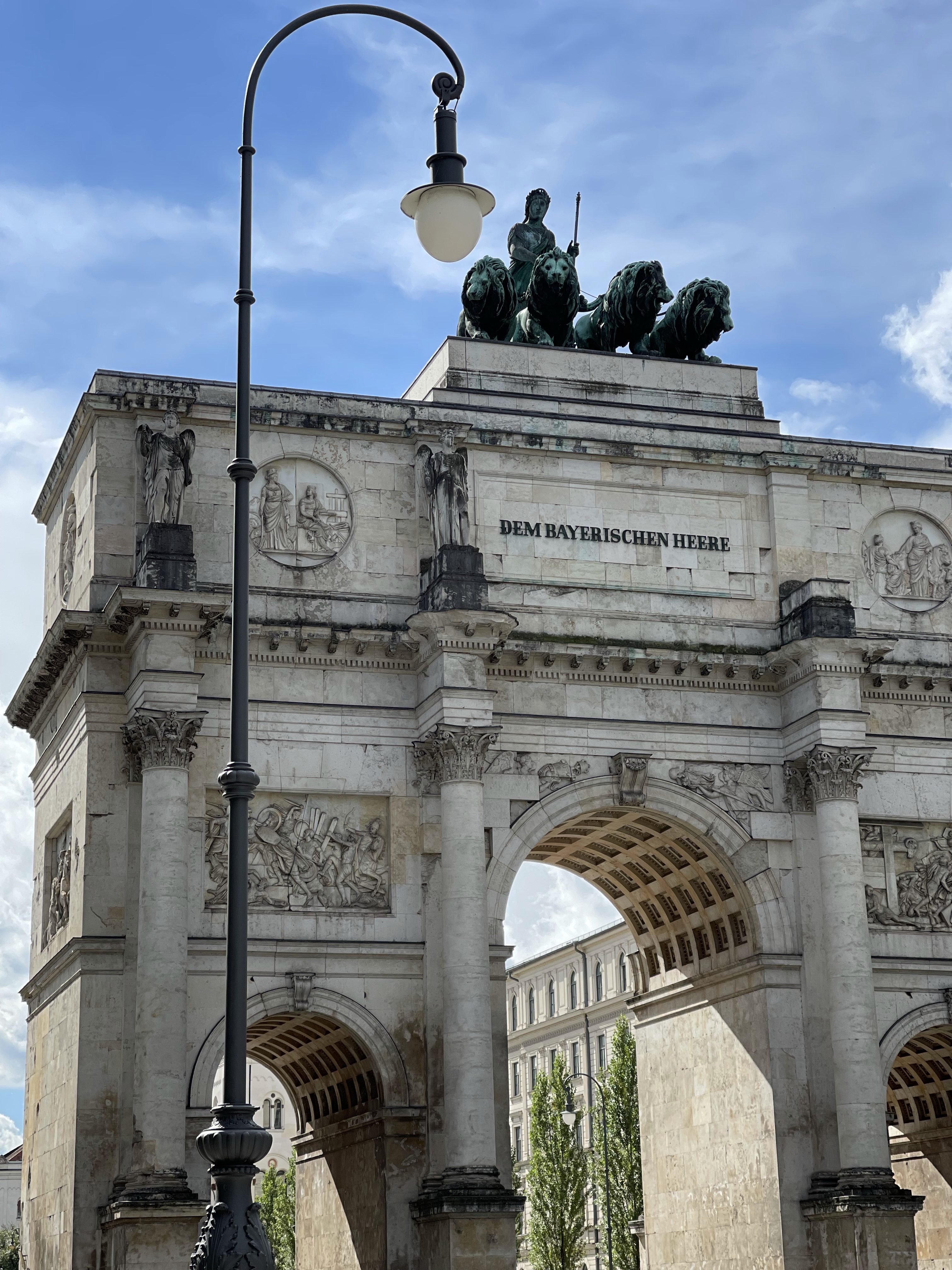
On my second day in Munich, I did my walking tour. I saw the highlights and ended my day at a beer garden to celebrate Oktoberfest.
My itinerary (for if you want to copy):
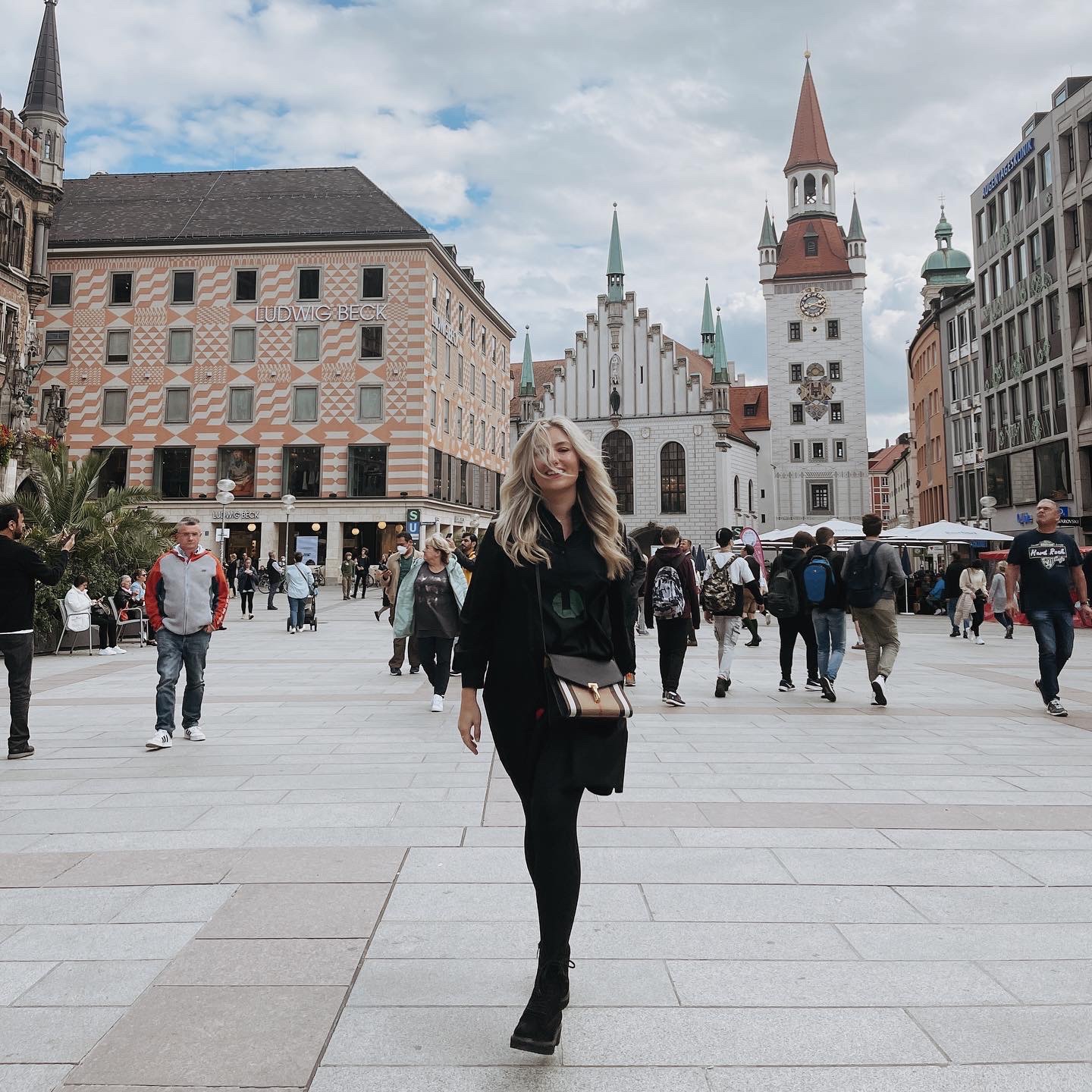
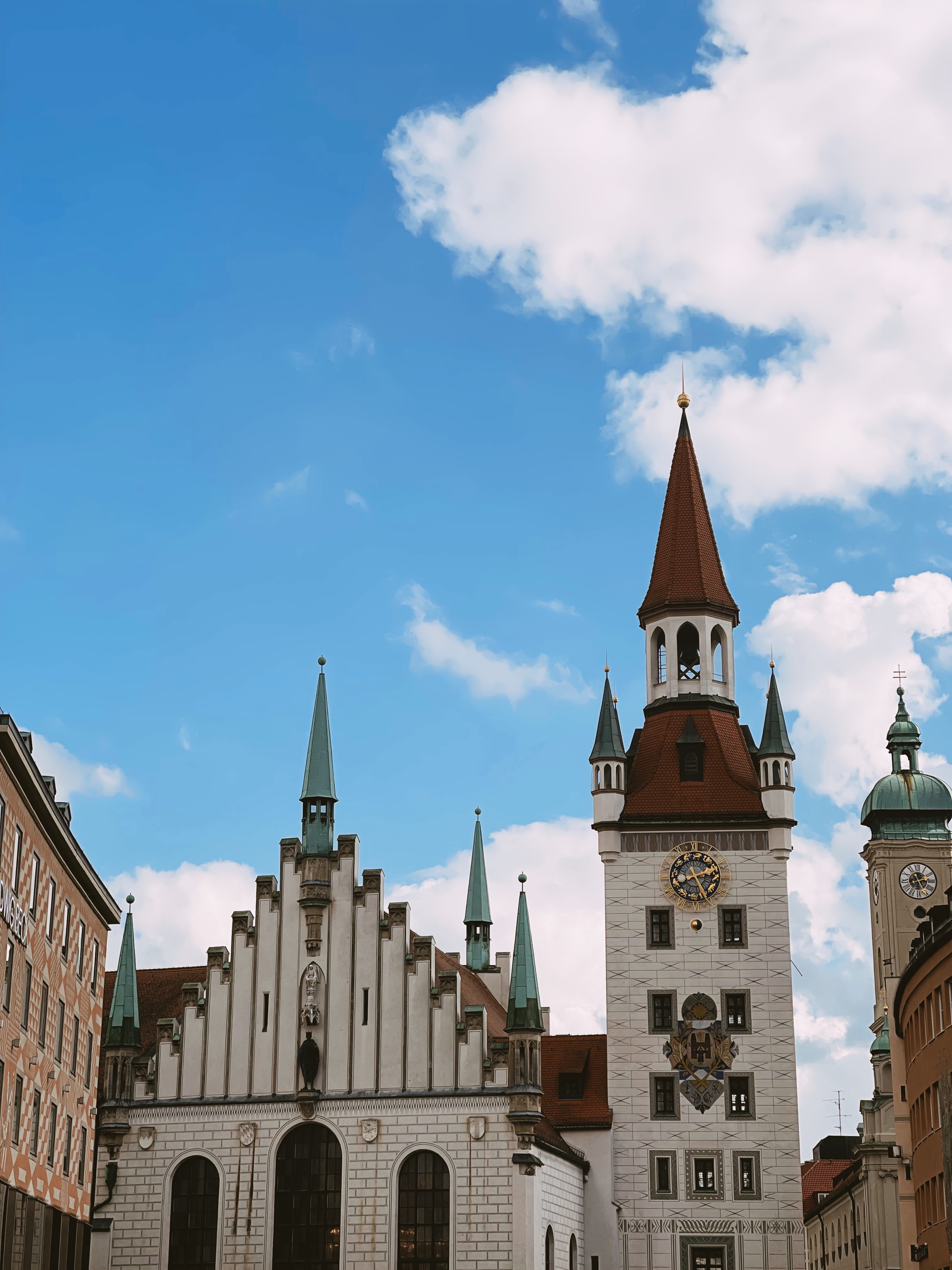
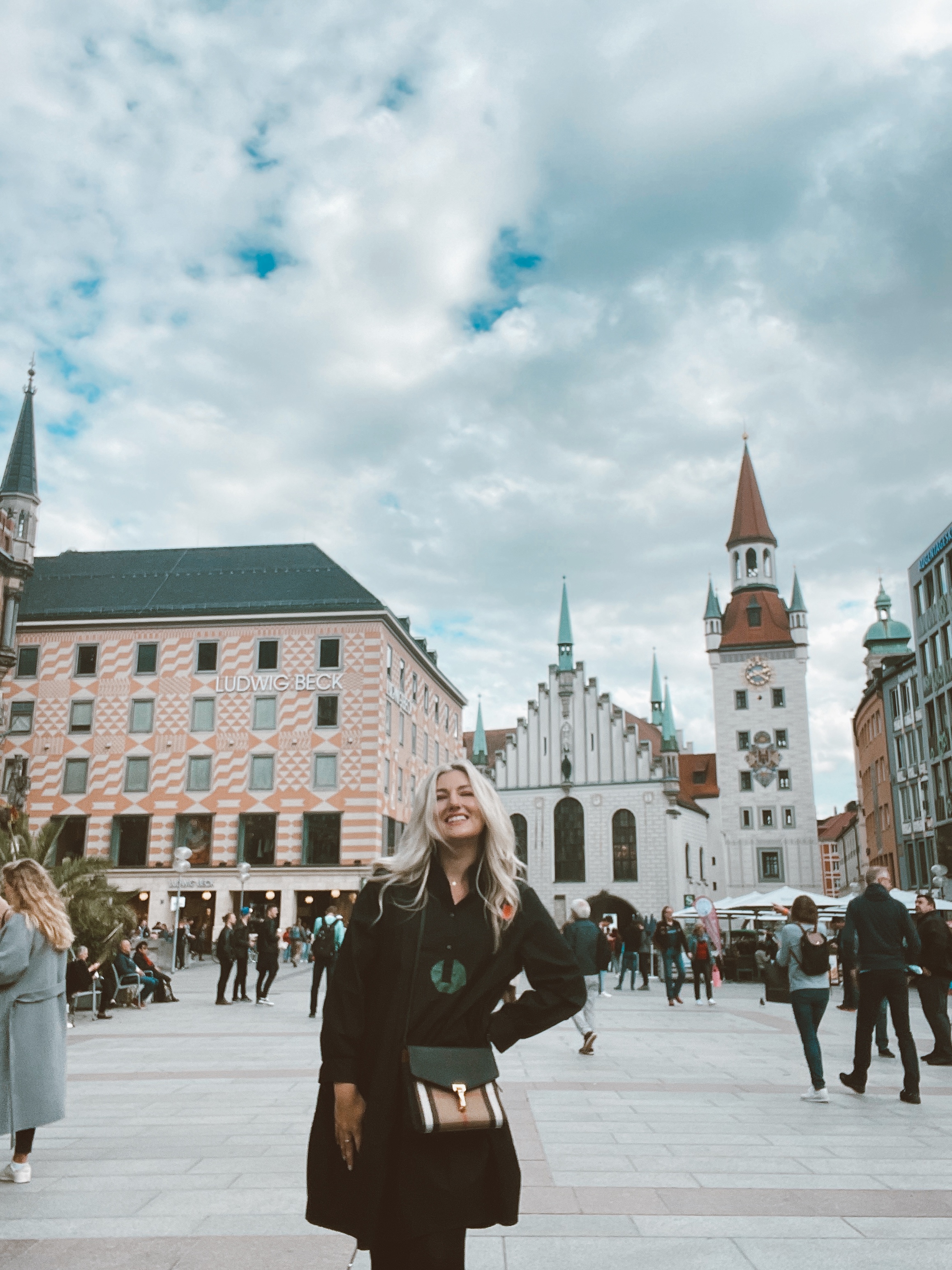
Stop 1: City-Center; Marienplatz
This stop is probably the most recognizable building in Munich; it has been the city square since 1158! Take this time to take in the beauty of the buildings and research the history behind the beauty.
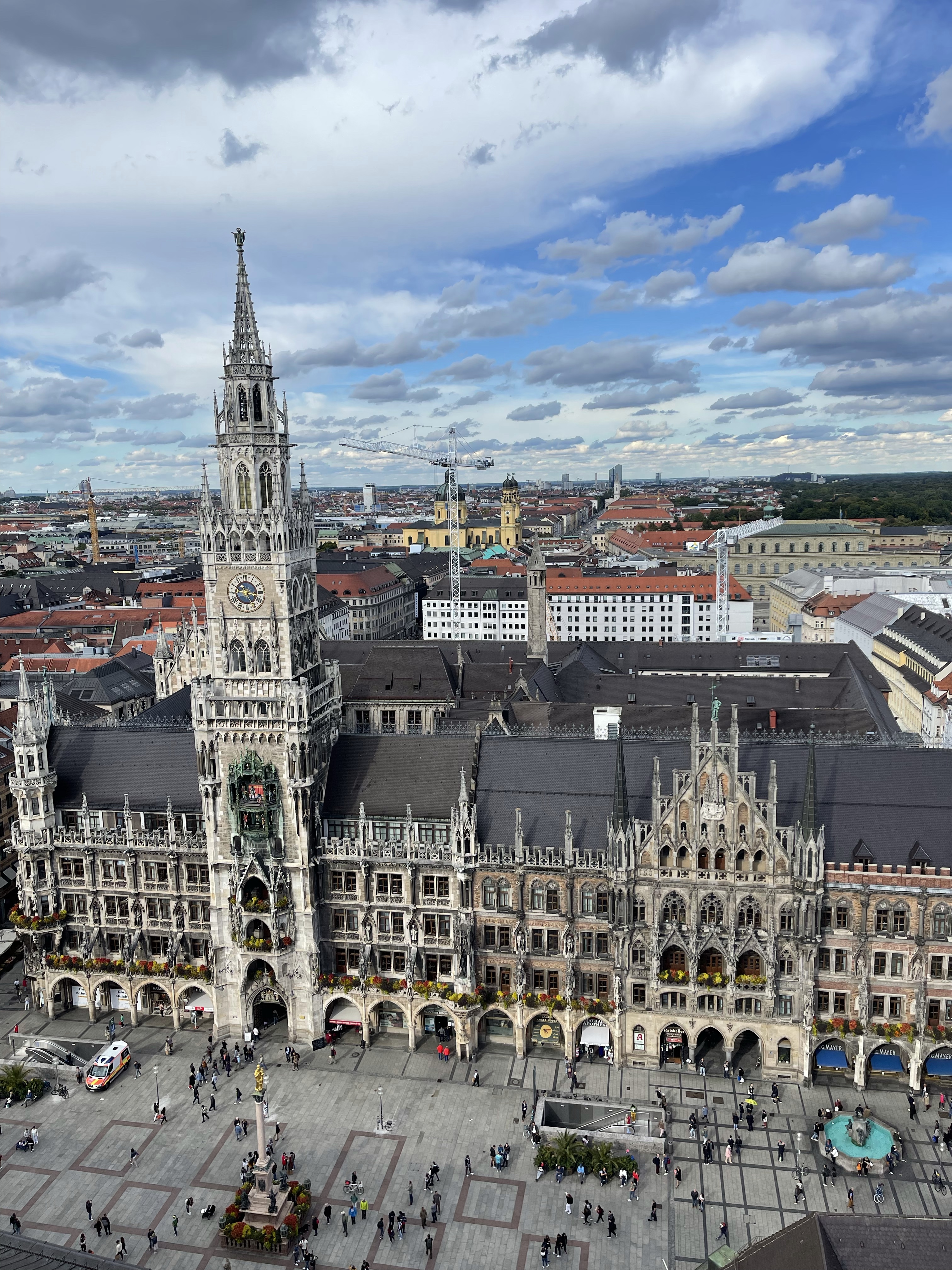
Stop 2: St. Peters Church
My next stop was right next to the Marienplatz; it was the St. Peters Church. You can climb the stairs to reach the church’s top with breathtaking views of the entire city. They only allow 25 people every 35 minutes, and people start lining up about 15 minutes before entry. It is first-come, first-serve, no pre-booking. The tickets are five euros and are worth the ticket price for these views. The only thing to keep in mind is the stairs are very steep and a lot of them. By the time I reached the top, I had needed a break, and I was ultimately out of breath. For five euros, you get a free gym session too.
Stop 3: Viktualienmarket:
Our third stop is again next to the square and church; it is a cute farmers market type, in which local farmers sell their vegetables and fruits, but there is also so much more! People sell local handmade souvenirs and plenty of places to try local food or stop for lovely ice cream or juice.
Stop 4: Cafe Kreutzkamm
Stop and enjoy a cafe latte and a slice of local cake from that region.
Stop 5: Choice Nymphenburg Palace or Residenz
- This royal palace, which is about 700 meters in length, now a vast museum complex, was the summer residence of Bavarian kings. The palace dates back to 1664, and in 1792 royal palace park was opened to the public. Most famous German, Italian and French architects and garden designers from the 17th, 18th, and early 19th centuries, like Agostino Barelli, Enrico Zucalli, Giovanni Antonio Viscardi, Joseph Effner, Leo von Klenze, Dominique Girard, and Friedrich Ludwig von Sckell, were designing or redesigning different pavilions and gardens of the famous royal palace, predominantly, in baroque and later in rococo and neoclassical style.
- The Museum is the former royal palace of the Wittelsbach monarchs of Bavaria and was built in phases as each age of the royal family sought to display their status and grandeur in style appropriate to their times. Many buildings are highly impressive, reconstruction due to war damage, but this does not detract from the experience.
Stop 6: Your hotel or Airbnb
Relax, take a nap, get ready for an evening out
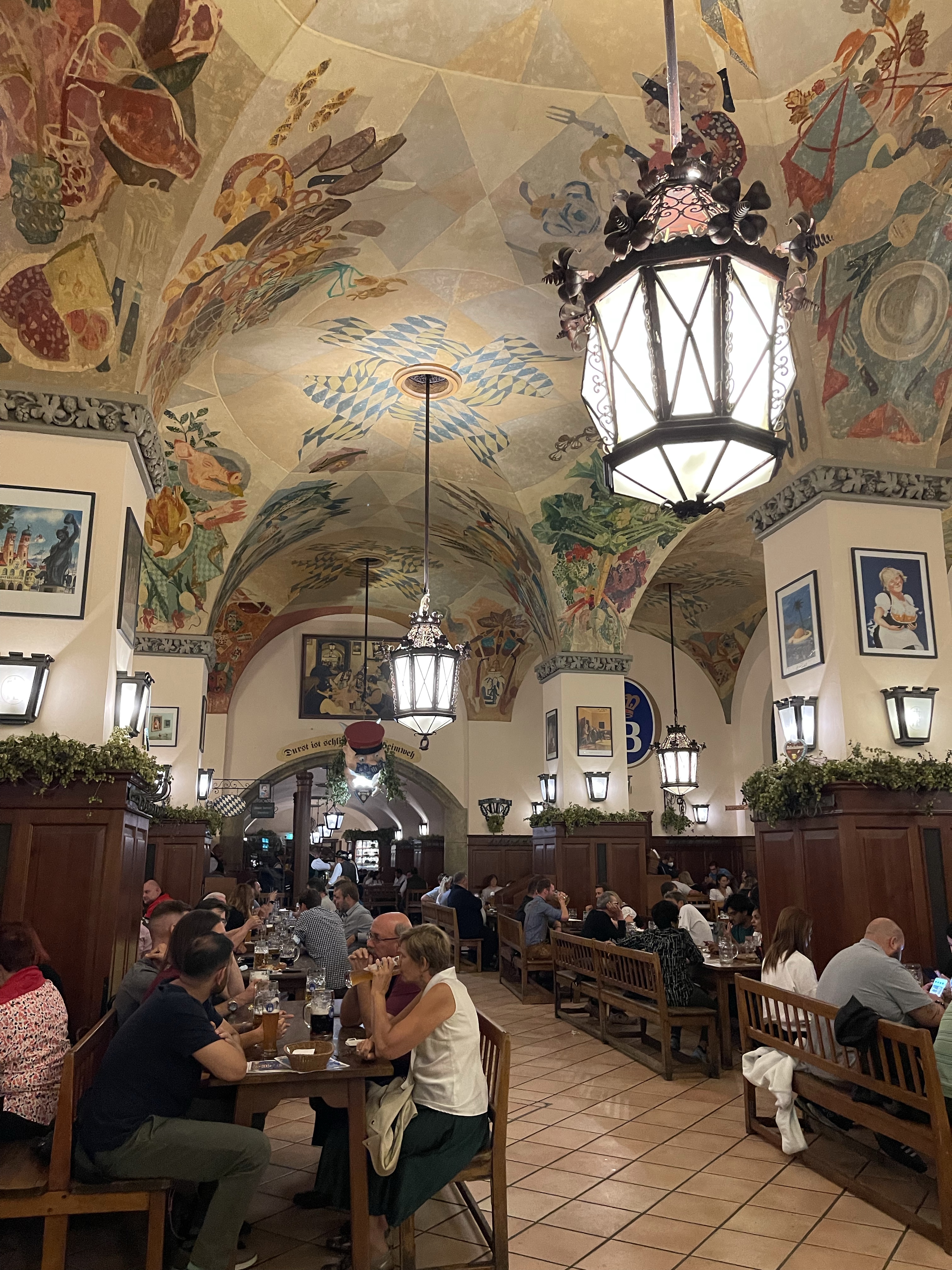
Final Stop 7: Hofbrauhaus
This is a fun place to meet new people, locals, and tourists alike. This is the most famous beer hall in Munich, and it did not disappoint. It was so much fun watching everyone cheer and drink. The food is traditional but delicious.
Day 3: Dachau Concentration Camp
Dachau served as a prototype and model for the other German concentration camps that followed; it was created in 1933. Dachau was the concentration camp in operation the longest, from March 1933 to April 1945, nearly all twelve years of the Nazi regime. In the postwar years, the camp continued in use. From 1945 through 1948, the Allies used the camp as a prison for SS officers awaiting trial. After 1948, when hundreds of thousands of ethnic Germans were expelled from eastern Europe, it held Germans from Czechoslovakia until resettled. It also served as a military base for the United States, which maintained forces in the country. It was closed in 1960. However, at the insistence of survivors, various memorials have been constructed and installed here.
I highly recommend visiting this camp; this is not the first concentration camp I have been to. However, this is the first camp I have been to that kept saying “potential murder” this was upsetting, so please be aware and ask questions.
It is straightforward to get to Dachau on the train, just put it into your apple or google maps and press the train options and it will take you straight there on the subway (not train), and it takes about 20min then a 10min bus ride. The entrance is free, and no need to book ahead.
Overall, Munich is not a city I would need to visit again. However, I did enjoy my time there, and I am glad I had the opportunity to go.

 The Life of Sarah